The global AI orchestration market is projected to reach $30.23 billion by 2030, growing at 22.3% annually. According to Gartner, by 2026, over 80% of enterprises will adopt AI orchestration in some form, up from <5% in 2023. For mid market businesses running ERP, CRM, and eCommerce systems, the pressure to unify fragmented operations has never been greater. Businesses increasingly face fragmented systems, data silos, and operational bottlenecks that manual processes cannot solve.
AI orchestration platforms address these challenges by coordinating multiple AI models, automating complex workflows, and enabling intelligent decision-making across enterprise systems.
This comprehensive guide explores what AI orchestration is, why it matters, and reviews the best AI orchestration tools transforming how businesses operate in 2026 – with detailed feature comparisons, pricing, and deployment insights to help you choose the right platform.
Whether you are a CIO looking to reduce integration debt, a COO seeking to eliminate manual bottlenecks, or a business operations manager needing to automate ERP to eCommerce workflows without writing code, this guide is built for you. We have analyzed each platform across deployment speed, ERP depth, AI native capabilities, pricing transparency, and scalability so you can make an informed decision.
Whether you are a CIO evaluating integration architecture, a COO looking to eliminate manual bottlenecks, or a business operations manager seeking no-code automation. This guide ranks the best AI orchestration platforms for businesses of all sizes, from mid market manufacturers to enterprise retailers, with a focus on deployment speed, ERP depth, AI native capabilities, and pricing transparency.
Don’t have time to read the full guide? Here are the essential points:
AI orchestration coordinates multiple AI models and systems to work together seamlessly, enabling businesses to automate complex workflows across ERP, CRM, and other enterprise platforms with intelligent decision-making capabilities.
- The market is experiencing explosive growth, projected to reach $30.23 billion by 2030 with a 22.3% annual growth rate, driven by enterprises needing unified governance, scalability, and outcome-driven automation.
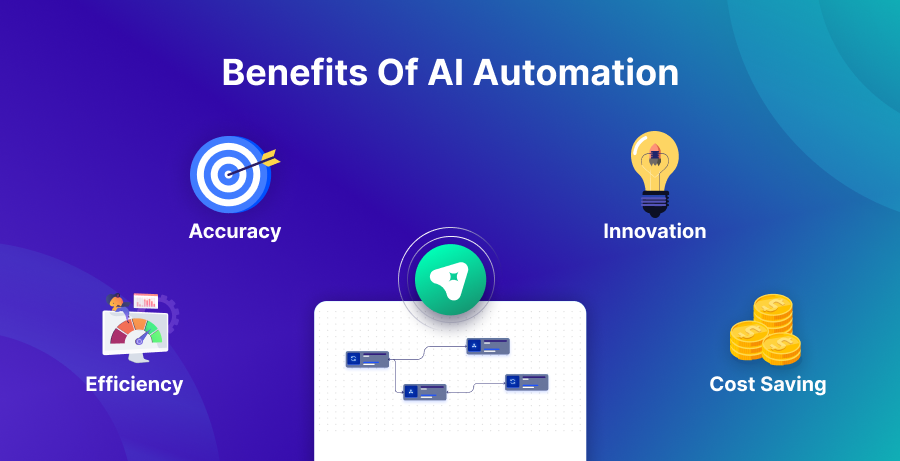
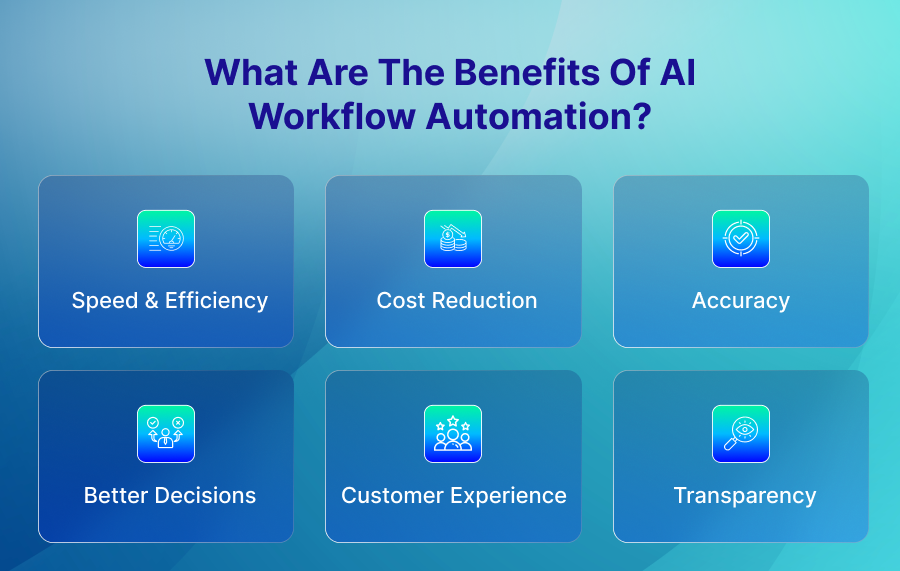
- Organizations see measurable ROI quickly, reporting 30% productivity increases, 25% operating cost reductions, and 50% faster deployment of AI models after implementing orchestration platforms.
- Choose platforms based on your team’s expertise: No-code solutions like appse ai and Zapier empower business users, while code-first frameworks like LangChain and Prefect give developers maximum flexibility and control.
- appse ai stands out as the only platform combining an Autonomous Workflow Builder, self-healing AI agents (AutoDetect), and deep ERP native integration (SAP, NetSuite, Dynamics 365) with go-live in few as 14 days hours and pricing starting at $0.
- Evaluate based on six critical factors: integration capabilities, team technical skills, use case complexity, governance requirements, total cost of ownership, and scalability to ensure long-term success.
- Choosing the best AI orchestration software comes down to six factors: integration depth, team technical skills, use case complexity, governance needs, total cost of ownership, and deployment flexibility. This guide evaluates all 13 platforms across these dimensions.
What is AI Orchestration?
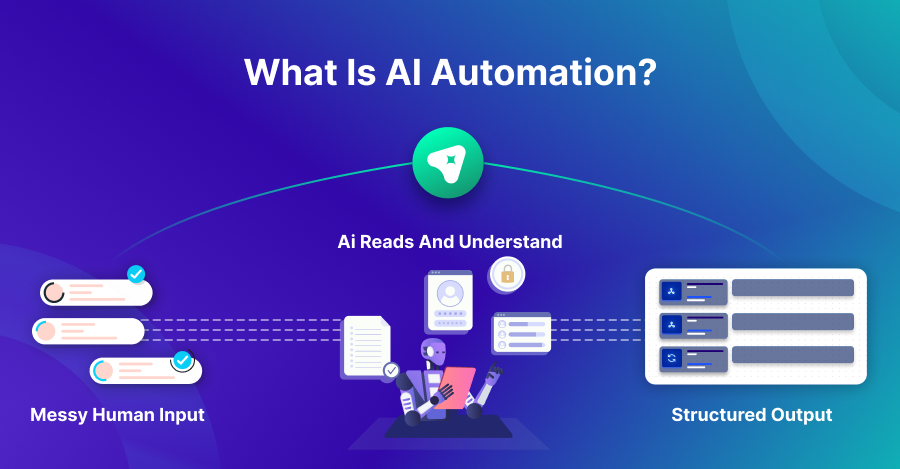
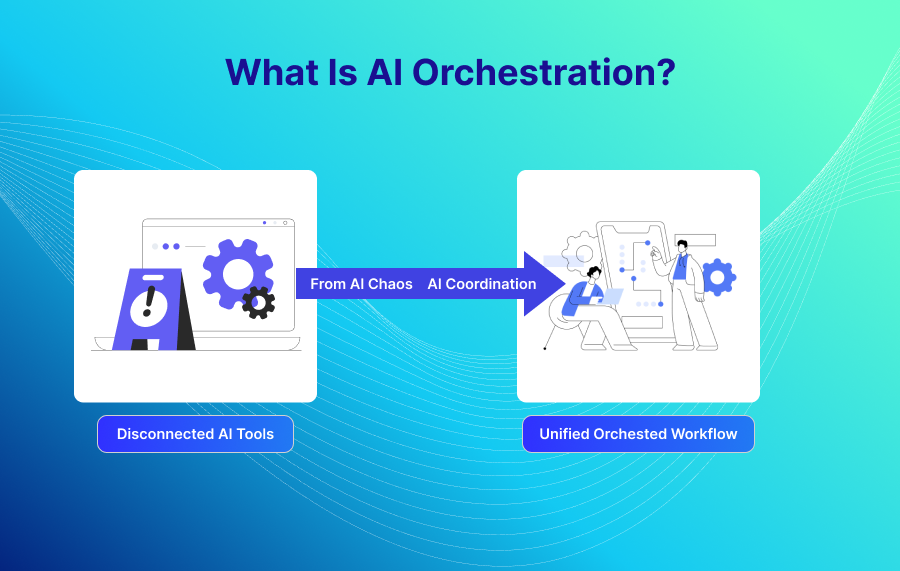
AI orchestration is the process of coordinating, integrating, and managing multiple AI models, data systems, and automated workflows to achieve unified business outcomes across an enterprise ecosystem. It enables organizations to connect disconnected systems such as ERP, CRM, and eCommerce platforms into a single intelligent automation layer. This unified layer can make decisions, trigger actions, and adapt in real time.
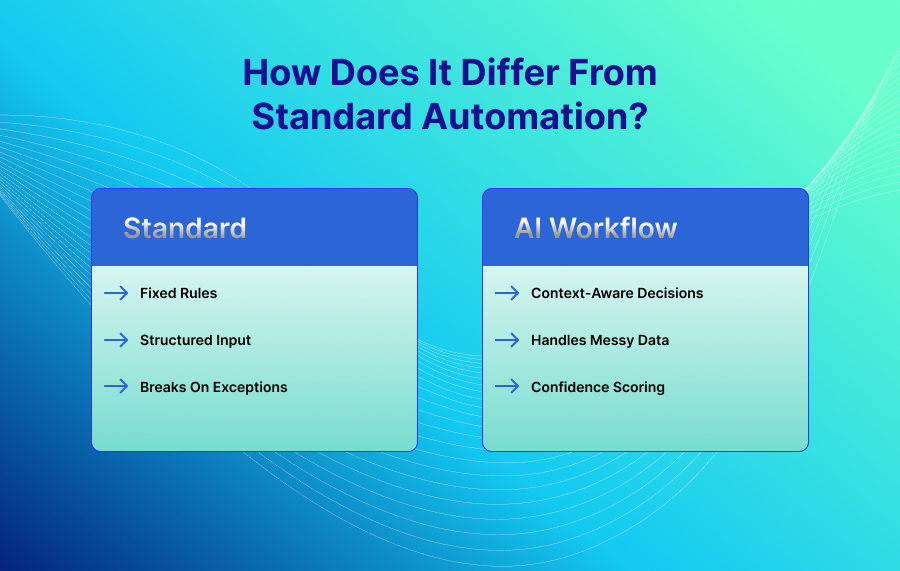
Unlike traditional automation that follows rigid, rule based logic, AI orchestration platforms act as intelligent conductors. They ensure AI models, data pipelines, and business systems work in harmony, share information seamlessly, and adapt to changing conditions in real time.
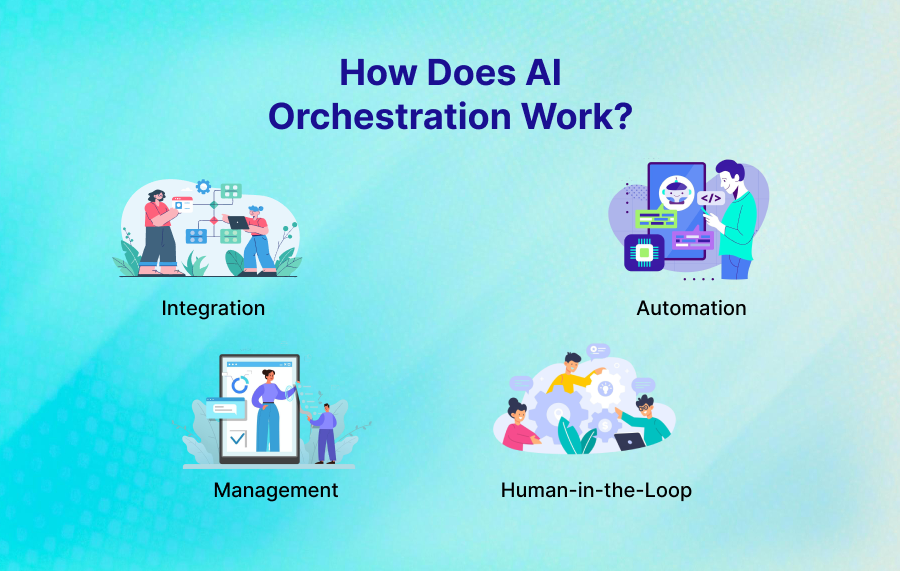
Modern AI orchestration goes beyond simple task automation. It includes three pillars:
- AI Integration: Connecting AI tools, databases, legacy systems, and modern applications through unified data pipelines and standardized APIs.
- AI Automation: Reducing manual intervention by automatically coordinating AI activities, triggering workflows based on intelligent conditions, and executing multi-step processes.
- AI Management: Overseeing performance metrics, maintaining security protocols, ensuring regulatory compliance, and monitoring system health across the entire AI ecosystem.
The distinction between ML orchestration and AI orchestration is important. ML orchestration focuses specifically on the machine learning lifecycle including data preparation, model training, validation, and deployment.
AI orchestration operates at a higher level, coordinating entire AI systems including rule-based engines, robotic process automation, large language models, and intelligent services.
Gartner defines orchestration as ‘The automated coordination of multiple AI services to achieve a business outcome’ and this is exactly the foundation on which platforms like appse ai are built. appse ai’s architecture mirrors these three pillars: AI Workflow Automation (integration + automation), No Code Agentic AI (intelligent management), and Unified API (seamless connectivity) purpose-built for mid-market businesses running ERP driven operations.
AI Orchestration Importance
According to McKinsey, companies that implement AI driven process orchestration see 20-30% improvements in operational efficiency within the first year. For mid-market businesses managing ERP, CRM, and eCommerce systems, these gains translate directly to faster order processing, reduced manual reconciliation, and lower integration maintenance costs.
For mid-market businesses (50 – 1,000 employees) managing ERP, CRM, and eCommerce systems, AI orchestration is no longer a luxury, it is an operational necessity. These organizations face the same integration complexity as enterprises but with leaner IT teams and tighter budgets. The right AI orchestration tools for mid-market businesses deliver enterprise-grade capabilities without enterprise-grade complexity or cost.
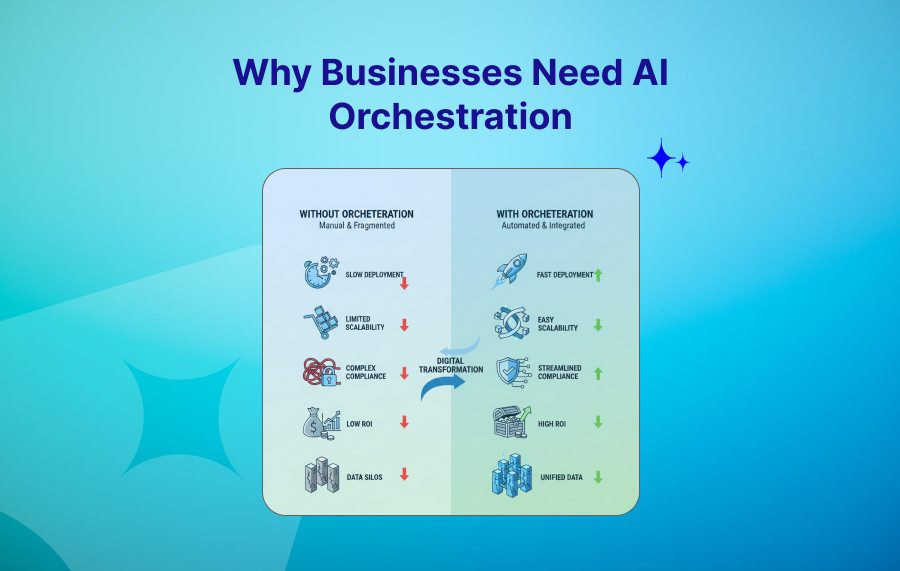
AI orchestration addresses fundamental business challenges that traditional approaches cannot solve effectively.

Scalability
Modern enterprises generate massive data volumes and require systems that grow without performance degradation. AI orchestration platforms provide dynamic resource allocation across hybrid and multi-cloud environments, supporting millions of daily transactions while maintaining consistent performance.
Business Impact: Organizations can scale operations horizontally without system bottlenecks. During peak demand periods, orchestration platforms automatically allocate additional resources, ensuring service levels remain stable. This capability becomes crucial for businesses experiencing rapid growth or seasonal fluctuations.
Platforms like appse ai address this by offering hybrid deployment (cloud, on-premise, private cloud) with auto scaling and failover mechanisms, ensuring mid market businesses scale without infrastructure bottlenecks or cloud vendor lock-in.
Efficiency
Automated resource management through AI orchestration reduces operating costs significantly.
According to Forrester, organizations implementing AI orchestration report up to 25% cost reductions in integration maintenance and operational overhead.
Operational Benefits: Workflows that previously required days of manual coordination now complete in hours. Teams automate their daily tasks, freeing employees to focus on strategic initiatives rather than repetitive integration work. Real-time monitoring identifies inefficiencies before they impact operations, enabling proactive optimization.
Flexibility
Business requirements evolve rapidly. AI orchestration platforms enable organizations to add, swap, or modify AI models without disrupting existing workflows. This modular approach allows businesses to adopt new technologies quickly and respond to market changes with agility.
Strategic Advantage: Companies can experiment with cutting-edge AI capabilities while maintaining operational stability. When better models become available, teams integrate them seamlessly. This flexibility accelerates innovation cycles and reduces time-to-market for new features. Model-agnostic platforms like appse ai take this further with BYOM (Bring Your Own Model) capability, allowing businesses to plug in their preferred AI models (OpenAI, Google Gemini, or proprietary models) while the platform handles orchestration – ensuring zero vendor lock-in at the AI layer.
Governance
Regulatory compliance and ethical AI standards require centralized oversight. AI orchestration provides unified governance frameworks with role-based access control, comprehensive audit trails, and policy enforcement across all AI operations.
Compliance Assurance: Organizations maintain detailed records of AI decisions, data usage, and system changes. Automated compliance checks ensure workflows adhere to regulations like SOC2, GDPR, HIPAA, and industry-specific standards. This centralized governance reduces risk exposure and simplifies regulatory reporting. Enterprise grade platforms should offer ISO 27001, SOC 2, and GDPR, and HIPAA compliance out of the box, with encrypted credential vaults and complete audit trails. In the US and UK markets, this is non-negotiable for regulated industries like financial services, healthcare, and manufacturing.
Collaboration
AI orchestration breaks down departmental silos by enabling cross-functional workflows. Organizations achieve better collaboration between departments when AI-driven workflows connect previously isolated systems.
Team Empowerment: Business users design workflows without extensive coding knowledge, while IT teams maintain governance and security standards. This democratization of automation empowers employees across the organization to contribute to digital transformation efforts. For example, a manufacturing company can use orchestration to connect its shop floor ERP system with CRM driven order data and warehouse inventory – enabling the finance team, operations team, and customer success team to work from a single source of truth without waiting for IT to build each connection manually.
Innovation
Orchestration platforms enable workflows impossible with single AI models. By coordinating multiple specialized models, organizations create sophisticated solutions that combine natural language processing, computer vision, predictive analytics, and decision automation.
Competitive Differentiation: Companies develop unique capabilities by orchestrating AI in novel ways. For example, financial institutions combine transaction analysis models with risk assessment algorithms and customer behavior predictions to create comprehensive fraud detection systems that outperform single-model approaches.
If your business is struggling with fragmented systems, manual data entry, or slow decision making across departments – AI orchestration is the solution.
Features of AI Orchestration Tools
Selecting the best AI orchestration tools for your business requires understanding the core capabilities that distinguish enterprise grade solutions from basic automation platforms.
Integrations & Connectivity
Leading platforms offer 1,000+ pre-built integrations spanning ERP systems, CRM platforms, eCommerce solutions, databases, and cloud services. Look for platforms supporting REST APIs, webhooks, message queues, and event-driven architectures.
Quality orchestration tools handle authentication complexity automatically, managing OAuth flows, API keys, and token refresh mechanisms. This eliminates the technical burden of maintaining multiple authentication methods across integrated systems.
For mid market businesses, the most critical integration capability is ERP connectivity. AI orchestration for ERP integration – connecting systems like SAP, NetSuite, and Microsoft Dynamics with eCommerce, CRM, and finance platforms – requires pre built, certified connectors with validated business logic for tax, pricing, and inventory. Not all orchestration tools offer this depth; platforms like appse ai specialize in it through their Unified API layer.

Workflow Management
Visual workflow builders enable teams to design complex, multi-step processes without writing code. Drag-and-drop interfaces accelerate development, allowing business users to model workflows that previously required engineering resources.
Advanced workflow management includes conditional branching, parallel execution, error handling, and human-in-the-loop approval steps. AI-powered optimization continuously analyzes workflow performance, identifying bottlenecks and suggesting improvements based on execution patterns.
Key Capabilities:
Version control for workflow iterations, rollback functionality for failed deployments, and scheduled execution for time-sensitive processes. Enterprise platforms provide workflow templates for common use cases, reducing time-to-value for standard business processes.
The most advanced platforms go beyond drag and drop. appse ai’s Autonomous Workflow Builder, for example, allows users to describe a workflow in plain English (e.g., ‘Sync Shopify orders to SAP Business One with tax calculation and inventory deduction’) and the platform constructs the entire workflow automatically – a capability no other platform in this list offers.
Model & Agent Management
Sophisticated orchestration platforms coordinate multiple AI models and autonomous agents. This includes model versioning, A/B testing capabilities, and automated model selection based on task requirements.
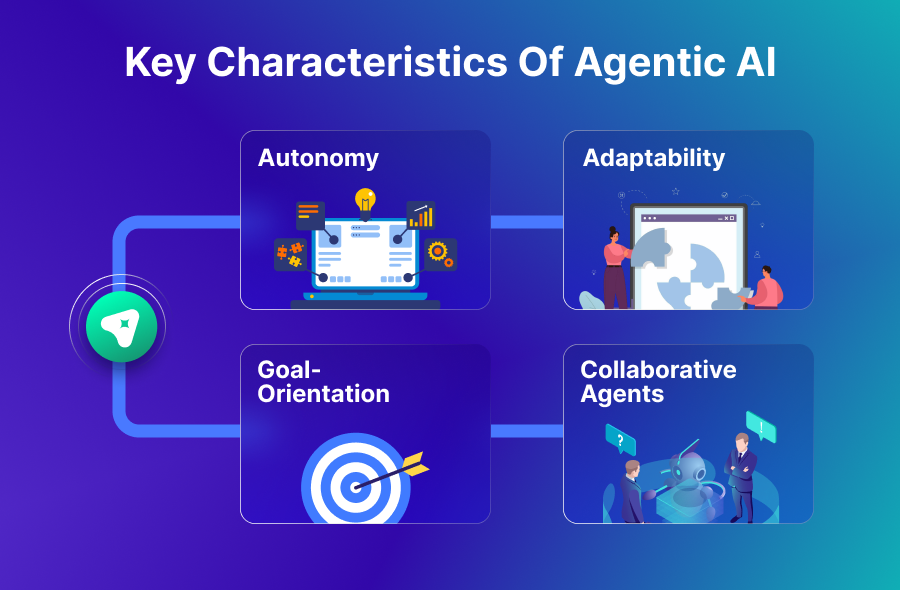
Agent management features enable teams to deploy autonomous AI agents that understand goals, execute actions, and adapt to changing conditions. These agents operate continuously, making context-aware decisions without human intervention.
Technical Considerations: Platforms should support model deployment across different environments, handle model fallback scenarios, and provide model performance monitoring. Integration with model registries and experiment tracking tools enables data science teams to promote models from development to production seamlessly.
A key distinction: most platforms offer model management at the infrastructure layer. Platforms like appse ai embed AI agents directly inside business workflows – with a roster of 25+ pre-built departmental agents across finance, operations, sales, customer success, and supply chain that execute decisions autonomously within defined guardrails.
Observability & Monitoring
Enterprise-grade platforms provide detailed execution logs, performance metrics, and error tracking. Teams identify issues quickly, with mean time to resolution dropping 40-60% when comprehensive monitoring is available.
Observability features include distributed tracing for multi-step workflows, custom metric dashboards, and intelligent alerting that reduces noise by highlighting truly critical issues. Historical analysis enables teams to identify trends, optimize resource allocation, and predict capacity requirements.
The next evolution beyond reactive monitoring is self-healing AI integration. A self healing AI integration platform like appse ai can Auto Detect and predict errors before they occur, automatically isolate issues, and resolve failures without manual intervention reducing error resolution from days to minutes and cutting integration maintenance costs by 30 – 40%.
The next evolution in observability is proactive, not reactive. appse ai’s AutoDetect capability, for instance, predicts integration errors before they occur, automatically isolates issues, and self-heals workflows without manual intervention – reducing error resolution from days to minutes.
Usability
Platform adoption depends heavily on user experience. The best orchestration tools balance power with accessibility, offering no-code interfaces for business users while providing code-level control for technical teams.
Quality platforms include guided onboarding, contextual help, and workflow validation that catches errors before deployment. Sandbox environments allow safe experimentation without impacting production systems.
Design Principles: Intuitive navigation, clear visual feedback, and progressive disclosure that presents advanced features only when needed. Documentation quality matters significantly, with comprehensive guides, code samples, and video tutorials accelerating team productivity.
The ultimate measure of usability is whether business users can build enterprise-grade workflows independently. Enterprise AI orchestration with no-code capability means operations managers, finance teams, and customer success leaders can create, modify, and monitor workflows without filing IT tickets – while IT retains governance and security oversight. appse ai’s zero-learning-curve philosophy targets exactly this: 50% of users complete onboarding in under 15 minutes, and 90% of use cases require no code.
Scalability
Production-ready orchestration platforms handle enterprise-scale workloads efficiently. This includes horizontal scaling to distribute load across multiple servers, intelligent throttling to prevent system overload, and failover mechanisms ensuring high availability.
Scalability extends beyond infrastructure to data processing capabilities. Platforms should handle millions of records, support batch processing for high-volume operations, and maintain performance consistency during peak demand.
Performance Metrics:
Look for platforms supporting concurrent workflow executions, efficient memory management, and optimized database queries. Cloud-native architectures provide elasticity, automatically scaling resources based on demand patterns.
When evaluating the best AI orchestration software, prioritize platforms that deliver depth across all six capability areas above – not just one or two. The tools that check every box are the ones that reduce long-term integration debt and scale with your business.
| Capability | appse ai | Zapier | LangChain | Airflow | UiPath | Bedrock | Prefect |
|---|---|---|---|---|---|---|---|
| Pre-Built ERP Integrations | Deep | Surface | — | — | Limited | — | — |
| Autonomous Workflow Builder | Yes | No | No | No | Low-code | — | — |
| Self-Healing AI (AutoDetect) | Yes | Basic | No | No | — | — | — |
| No-Code for Business Users | Yes | No | No | No | — | — | — |
| Agentic AI Agents (25+) | Yes | Basic | — | — | — | — | — |
| Hybrid Deployment (Cloud + On-Prem) | Yes | Cloud only | Self-host | Self-host | Yes | AWS only | Self-host |
| Transparent Pricing (from $) | $0 Free | $0 Free | Open-source | Open-source | $420/bot | Pay-per-use | $450/mo |
| Best For | ERP-first mid-market | Simple SaaS automation | Developer LLM apps | Data pipelines | RPA + AI enterprise | AWS-native AI | Python dev teams |
Types of AI Orchestration Platforms
The top AI orchestration software in 2026 spans five distinct platform categories, each serving different use cases and technical requirements. Understanding these categories is essential for selecting a solution aligned with your team’s expertise and business complexity.
No-Code Orchestration
No-code platforms democratize automation by helping business users build workflows without programming knowledge. Visual interfaces, pre-built templates, and guided configuration make these platforms accessible to non-technical teams. Best For: Rapid deployment scenarios, business process automation, and organizations with limited development resources. No-code platforms excel at connecting SaaS applications, automating routine tasks, and enabling citizen developers. Examples: appse ai, Zapier, IBM watsonx Orchestrate. Limitations: While powerful for standard use cases, some no-code platforms may struggle with highly customized logic. However, advanced no-code AI workflow automation platforms like appse ai overcome this through SmartScript -which converts natural language instructions into complex data transformation code -bridging the gap between no-code simplicity and code-level power.Code-First Orchestration
Developer-centric platforms provide maximum flexibility through programmatic workflow definition. These frameworks offer building blocks for creating sophisticated AI applications, giving engineers fine-grained control over every aspect of orchestration. Best For: Development teams building custom AI solutions, organizations requiring unique workflow logic, and scenarios where flexibility outweighs rapid deployment. Advantages: Code-first approaches enable version control integration, automated testing, and seamless incorporation into existing development workflows. Teams reuse components, apply software engineering best practices, and optimize performance at a granular level. Examples: LangChain, Prefect, Microsoft AutoGen.Data Pipeline Orchestration
Specialized platforms focus on coordinating data workflows including extraction, transformation, loading, and model training pipelines. These tools excel at managing dependencies between data processing steps and scheduling complex batch operations. Use Cases: Machine learning model training workflows, ETL operations for data warehouses, and scenarios requiring orchestration of computationally intensive processes. Technical Focus: Data pipeline orchestrators provide features like backfill capabilities, partition-aware processing, and integration with big data frameworks including Spark and Hadoop. Examples: Apache Airflow, Amazon SageMaker Pipelines, Google Vertex AI PipelinesAgentic Orchestration
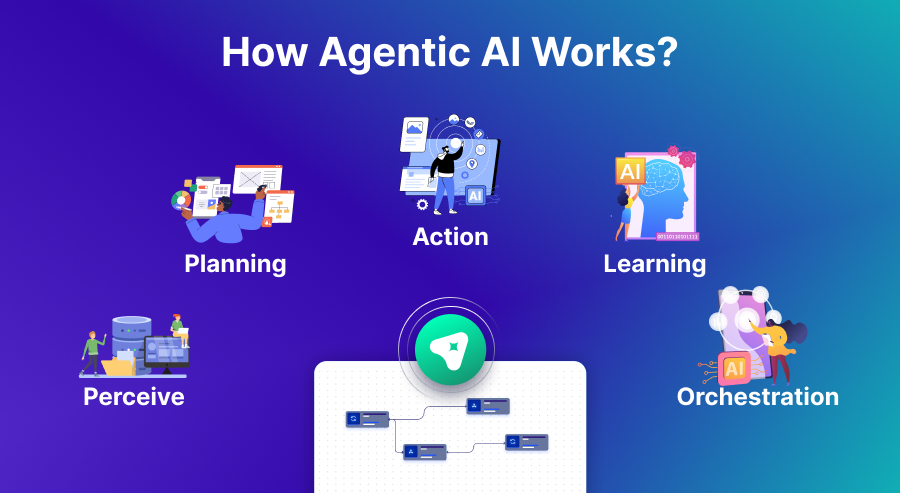
Agentic orchestration represents the cutting edge of AI automation. An agentic AI orchestration platform coordinates multiple intelligent agents, each with specialized capabilities, working collaboratively toward business objectives – executing decisions autonomously rather than just offering recommendations.Characteristics:
Built-in memory management for maintaining context across interactions, hierarchical agent structures for complex tasks, and policy-driven decision-making frameworks.
Examples: appse ai (with 25+ pre-built departmental agents), UiPath, Kore.ai
What sets agentic orchestration apart from copilots and chatbots is where the agents live. Most AI assistants sit at the UI layer and offer suggestions. In true agentic orchestration, agents are embedded directly inside business workflows – they don’t just recommend, they execute. appse ai pioneered this approach with workflow-native agents across revenue, finance, operations, customer success, and data governance functions.
Cloud-Native Orchestration
Cloud-native platforms leverage managed services from major cloud providers, offering automatic scaling, built-in security, and deep integration with cloud ecosystems.
Benefits:
Minimal infrastructure management, pay-as-you-go pricing, and instant access to cloud provider AI services. Organizations already committed to specific cloud platforms benefit from native integration and unified billing.
Considerations:
Cloud-native solutions may create vendor lock-in and can be more expensive at scale compared to self-hosted alternatives. Examples: Amazon Bedrock, Google Vertex AI Pipelines.
13 Leading AI Orchestration Tools to Consider in 2026
We evaluated the top AI orchestration software across integration depth, AI-native capabilities, ease of use, deployment flexibility, pricing transparency, and enterprise readiness. Here are the 13 platforms that stood out – starting with the ones purpose-built for business operations.
appse ai

- Autonomous Workflow Builder – Describe what you want to automate in plain English; the platform builds the entire workflow. No blank canvas, no manual node placement.
- SmartScript (NL-to-Code) – Converts natural language instructions into complex data transformation code for advanced mapping scenarios.
- AutoDetect (Self-Healing) – Proactively monitors data health, predicts bottlenecks, and automatically resolves errors before they cause failures.
- FlowInsight – AI that explains existing workflows in plain-text summaries so any team member can understand what’s running.
- No-Code Agentic AI – 25+ pre-built autonomous agents across revenue, finance, operations, customer success, and supply chain that execute decisions within workflows — not just suggest them.
- Unified API – Centralized API management connecting all business systems through a single hub, reducing integration complexity by up to 70%.
- Template & Connector Library – Pre-built, certified industry packages (e.g., SAP to Shopify, HubSpot to NetSuite) for rapid deployment.
- Hybrid Deployment – Cloud, on-premise, private cloud, or behind-firewall deployment. Not locked to any single cloud provider.
- Enterprise Security – ISO 27001, SOC 2, GDPR, HIPAA compliant. OAuth, JWT, SSL encryption. Full RBAC and audit trails.
- BYOM (Bring Your Own Model) – Plug in your preferred AI model (OpenAI, Gemini, or proprietary) while appse ai handles orchestration.
- No-Code Agentic AI – The industry’s most complete agentic AI orchestration platform with 25+ pre-built autonomous agents across revenue, finance, operations, customer success, supply chain, and executive strategy – all embedded directly inside business workflows.
- Free plan: $0 (zero-friction onboarding).
- Starter: $99/month.
- Growth: $299/month.
- Enterprise: Custom pricing with dedicated support, on-premise agent, and unlimited scalability. No hidden fees, no task-based billing surprises.
- 50% of users complete onboarding independently in under 15 minutes.
- 90% of use cases require no code.’
- Go live in as few hours – vs. months with legacy iPaaS.
- 30-40% reduction in integration maintenance costs.
Zapier

Zapier pioneered no-code automation and continues to lead in simplicity and breadth of integrations. The platform enables non-technical teams to connect applications and automate workflows through intuitive trigger-action logic.
Features:
- 8,000+ app integrations with simple trigger-action workflow design
- User-friendly interface requiring zero coding knowledge
- Agent steps for intelligent decision-making within workflows
- Human-in-the-loop approval actions via Slack integration
- Multi-step workflows (Zaps) with conditional logic
- Pre-built templates for common automation scenarios
- Automatic error detection and retry mechanisms
Pricing: Free plan for basic automation (100 tasks/month). Paid plans start at $19.99/month for individuals, scaling to team and enterprise tiers based on task volume and advanced features.
Best For: Small to mid-sized businesses, marketing teams automating lead management, non-technical users prioritizing ease of use, and organizations needing quick deployment for simple automation scenarios.
Limitation: Task-based pricing can escalate unpredictably at scale. Cloud only deployment. Limited depth for ERP specific workflows like order to cash or procure to pay. For businesses needing deep ERP orchestration with predictable pricing, consider appse ai.
LangChain

LangChain provides a comprehensive framework for building LLM-powered applications. As a code-first platform, it offers modular building blocks that developers can combine to create sophisticated AI workflows.
Features:
- Building blocks for prompts, tools, memory, retrievers, and chains
- Deep integration with multiple LLM providers including OpenAI, Anthropic, and open-source models
- Support for Python and JavaScript with extensive documentation
- LangSmith companion tool for tracing, evaluation, and monitoring
- Modular architecture enabling custom solution development
- Vector store integrations for retrieval-augmented generation (RAG)
- Agent framework for autonomous task execution
Pricing: Open-source framework (free). LangSmith monitoring starts at $39/month for individual developers, with team and enterprise tiers offering advanced features and support.
Best For: Development teams building custom LLM applications, organizations requiring maximum flexibility and control, data scientists creating AI-powered solutions, and scenarios where building-blocks approach aligns with development methodology.
Limitation: Developer-only process. Business users cannot build or manage workflows. No pre-built ERP connectors. Requires significant engineering investment to deploy and maintain.
MyWave

MyWave is an agentic AI platform, it deploys AI Agents called Waves that orchestrate end to end business processes, learn from every transaction, and adapt in real time with human oversight.
Features:
- AI Agent Wave Models powered by prompt-driven reasoning chains
- AI-driven document extraction
- LLM integration for accurate intent understanding across diverse inputs
- Recursive memory and continuous learning – agents improve with every execution
- No-code customization via the Innovation Hub no deep technical skills required
- Native integration with SAP Business One, SAP ByDesign, SAP S/4HANA, SAP ECC, Sage, and Acumatica
- Pre-built AI Agent catalogue covering finance, procurement, inventory, and customer service workflows
Pricing: Custom pricing based on deployment scope and enterprise requirements. No publicly listed free tier; book a demo for a 30-day ROI assessment.
Best For: Mid-sized enterprises and SMBs running SAP or cloud ERP who need production-ready agentic AI that delivers measurable productivity gains quickly. Well suited for operations, finance, and IT leaders who want autonomous process orchestration – not just workflow triggers.
Prefect

Prefect modernizes workflow orchestration with a developer-first philosophy and dynamic workflow capabilities. Unlike rigid DAG structures, Prefect enables workflows that adapt based on runtime conditions.
Features:
- Dynamic task generation and conditional workflow logic
- Python-native workflow definitions with decorators
- Real-time workflow execution with automatic retry mechanisms
- Cloud-hosted dashboard for monitoring and orchestration
- Parameter passing and workflow versioning
- Concurrent task execution with dependency management
- Event-driven architecture with webhook support
Pricing: Free tier for individuals and small teams. Cloud plans start at $450/month for teams with enhanced features. Self-hosted open-source version available with no licensing costs.
Best For: Python developers seeking modern alternatives to Airflow, organizations requiring dynamic workflows that adapt at runtime, fintech and healthcare teams managing critical processes, and companies wanting cost-effective orchestration.
IBM watsonx Orchestrate

IBM’s enterprise orchestration platform integrates deeply with the Watson AI ecosystem, providing natural language workflow triggering and multi-domain automation across customer care, finance, and HR.
Features:
- Natural language workflow triggering through conversational interface
- Deep integration with IBM Watson AI services and tools
- Multi-domain automation across customer care, finance, HR, and operations
- Embedded governance policies ensuring compliance and security
- Pre-built skills library for common enterprise tasks
- Role-based access control and audit trails
- Cognitive workflow capabilities with AI-powered decision-making
Pricing: Custom enterprise pricing based on user count, features, and deployment requirements. Typically includes professional services and dedicated support. Contact IBM for detailed quotes.
Best For: Large financial institutions and healthcare providers, enterprises with existing IBM infrastructure investments, organizations in heavily regulated industries requiring enterprise-grade governance, and companies needing multi-domain workflow automation.
UiPath (Agentic Automation)

UiPath combines robotic process automation with AI-powered reasoning, creating a hybrid approach that leverages both structured automation and intelligent decision-making for comprehensive business process management.
Features:
- Extensive library of pre-built RPA automation components
- AI-powered decision-making and anomaly detection capabilities
- Document understanding with OCR and intelligent data extraction
- Process mining for workflow discovery and optimization
- Centralized governance dashboards with compliance tracking
- Integration with popular AI frameworks and business systems
- Attended and unattended bot deployment options
Pricing: Free Community Edition for individual developers. Enterprise pricing starts around $420/robot/month with volume discounts. Platform fees and AI add-ons priced separately based on usage.
Best For: Organizations blending RPA with AI capabilities, enterprises with high-volume document processing needs, financial services firms processing applications and claims, and companies augmenting existing RPA investments with intelligence.
Amazon Bedrock

Amazon Bedrock provides fully managed AI agent deployment within AWS, offering automatic scaling, security, and native service integration. The platform handles infrastructure complexity while enabling sophisticated AI applications.
Features:
- Fully managed AI agent deployment with automatic scaling
- Pre-integrated access to foundation models from Anthropic, AI21 Labs, Stability AI, and Amazon
- Automatic prompt engineering and memory management
- Native AWS service integration (S3, DynamoDB, Lambda)
- Model customization through fine-tuning capabilities
- Enterprise-grade security with AWS IAM integration
- Pay-per-use pricing with no upfront commitments
Pricing: Usage-based pricing per model. Costs vary by model provider and tokens processed. Claude models range from $0.00025 to $0.015 per 1K tokens. No minimum fees or upfront commitments required.
Best For: AWS-native deployments and enterprises already on AWS infrastructure, organizations requiring managed AI services without operational overhead, teams prioritizing security and compliance, and companies needing flexible model selection.
Limitation: Creates AWS vendor lock-in. Not suitable for hybrid or multi-cloud deployment requirements. For vendor-agnostic orchestration, consider platforms with hybrid deployment support like appse ai.
Microsoft AutoGen

AutoGen orchestrates multi-agent AI systems where multiple LLMs, APIs, and tools collaborate toward shared goals. The framework enables sophisticated agent coordination within the Microsoft ecosystem.
Features:
- Multi-agent architecture with specialized role assignments
- Conversable agents that communicate and coordinate automatically
- Human-in-the-loop capabilities for oversight and intervention
- Tight Azure integration with AI services and Active Directory
- Support for external tools and custom agent behaviors
- Code execution capabilities for agent-generated solutions
- Flexible conversation patterns including sequential and group chat
Pricing: Open-source framework (free). Azure AI service costs apply based on LLM usage and compute resources. Enterprise support available through Microsoft with custom pricing.
Best For: Enterprises standardized on Microsoft technology stack, organizations building next-generation multi-agent systems, development teams requiring sophisticated agent collaboration, and companies leveraging Azure for AI infrastructure.
Botpress

Botpress specializes in conversational AI orchestration with sophisticated dialogue management and fast bot development capabilities. The platform excels at building complex conversational agents across multiple channels.
Features:
- Visual conversation flow builder with drag-and-drop interface
- Advanced natural language understanding and intent recognition
- Context management across multi-turn conversations
- Omnichannel deployment (web, mobile, messaging platforms)
- Extensive customization through JavaScript/TypeScript
- Analytics dashboard for conversation insights
- Integration with external APIs and databases
Pricing: Free open-source version available. Cloud plans start at $10/month for personal use. Business and enterprise tiers offer advanced features with custom pricing based on message volume and requirements.
Best For: Organizations prioritizing conversational AI development, customer experience teams building sophisticated chatbots, businesses needing voice assistant capabilities, and companies requiring nuanced dialogue handling across channels.
Kore.ai

Kore.ai delivers enterprise-grade conversational AI and intelligent virtual assistant orchestration. The platform combines natural language processing with workflow automation for comprehensive business process optimization.
Features:
- Pre-built industry solutions for banking, healthcare, retail, and telecommunications
- Advanced NLP with intent recognition, entity extraction, and sentiment analysis
- Omnichannel deployment across voice, chat, email, and messaging
- Unified workflow orchestration with single definition across channels
- Analytics and insights into conversation patterns and effectiveness
- Enterprise-grade security with SSO and role-based access
- Integration with enterprise systems (CRM, ERP, HRIS)
Pricing: Custom enterprise pricing based on deployment scale, features, and support requirements. Includes professional services for implementation. Contact Kore.ai for detailed quotes.
Best For: Large enterprises implementing organization-wide virtual assistant strategies, customer service organizations at scale, businesses requiring industry-specific pre-built solutions, and companies needing sophisticated NLP capabilities.
Amazon SageMaker Pipelines

SageMaker Pipelines orchestrates end-to-end machine learning workflows on AWS, from data preparation through model training, validation, and deployment. The platform integrates tightly with the broader SageMaker ecosystem.
Features:
- End-to-end ML workflow orchestration from data prep to deployment
- Experiment tracking and model registry for versioning
- Automated hyperparameter tuning and model optimization
- Pipeline caching to avoid redundant computations
- Built-in support for distributed training across multiple instances
- Integration with AWS compute services (EC2, Fargate, SageMaker instances)
- Model lineage tracking and approval workflows for governance
Pricing: Pay-per-use based on compute resources consumed during pipeline execution. No additional charge for pipeline orchestration itself. Training instance costs vary from $0.05 to $32+ per hour depending on instance type.
Best For: Data science teams building production ML systems on AWS, organizations requiring comprehensive ML lifecycle management, enterprises needing governed model deployment processes, and teams leveraging AWS infrastructure for AI workloads.
Google Vertex AI Pipelines

Vertex AI Pipelines provides unified ML orchestration on Google Cloud Platform, combining data engineering, model training, and deployment workflows in a single managed service with native GCP integration.
Features:
- Unified ML orchestration built on Kubeflow Pipelines foundation
- Native BigQuery connectivity for data access and analysis
- Integration with Google AI Platform services (AutoML, custom training)
- Shared pipeline components and reusable templates
- Experiment comparison and tracking capabilities
- Team workspaces for collaboration between data scientists and ML engineers
- Managed infrastructure with automatic scaling
Pricing: Usage-based pricing for compute resources. Pipeline orchestration incurs no separate charges. Training and prediction costs vary based on machine types and usage duration, starting around $0.05 per node hour.
Best For: Organizations committed to Google Cloud ecosystem, teams using BigQuery for analytics and data warehousing, enterprises requiring integrated ML platforms, and data science teams wanting Kubeflow flexibility without operational complexity.
For no-code deployment with enterprise-grade ERP depth, platforms like appse ai deliver both visual simplicity and complex business logic. For lighter SaaS-to-SaaS connections, Zapier is a strong starting point.
Choosing the Right AI Orchestration Tool
With so many options available, identifying the best AI orchestration tools for your specific requirements means evaluating platforms across six critical dimensions:
- Technical Requirements: Assess integration capabilities, supported languages, deployment options, and scalability requirements. Organizations with existing cloud commitments may prioritize cloud-native solutions, while others value deployment flexibility.
- Team Expertise: Match platform complexity to team capabilities. No-code platforms empower business users but may limit customization. Code-first frameworks provide flexibility but require engineering resources.
- Use Case Complexity: Simple automation scenarios succeed with visual platforms like APPSe AI or Zapier. Multi-agent systems requiring sophisticated orchestration benefit from frameworks like LangChain or AutoGen.
- Governance Requirements: Regulated industries prioritize platforms with comprehensive audit trails, role-based access control, and compliance certifications including SOC 2, HIPAA, and GDPR.
- Budget Considerations: Evaluate total cost of ownership including licensing, infrastructure, training, and maintenance. Open-source platforms reduce upfront costs but may require greater technical investment.
- Vendor Support: Enterprise deployments benefit from dedicated support, training resources, and clear product roadmaps. Community-driven platforms offer extensive documentation but limited direct assistance.
- Future Scalability: Select platforms accommodating growth in data volume, workflow complexity, and user count. Avoid solutions requiring platform migration as requirements evolve.
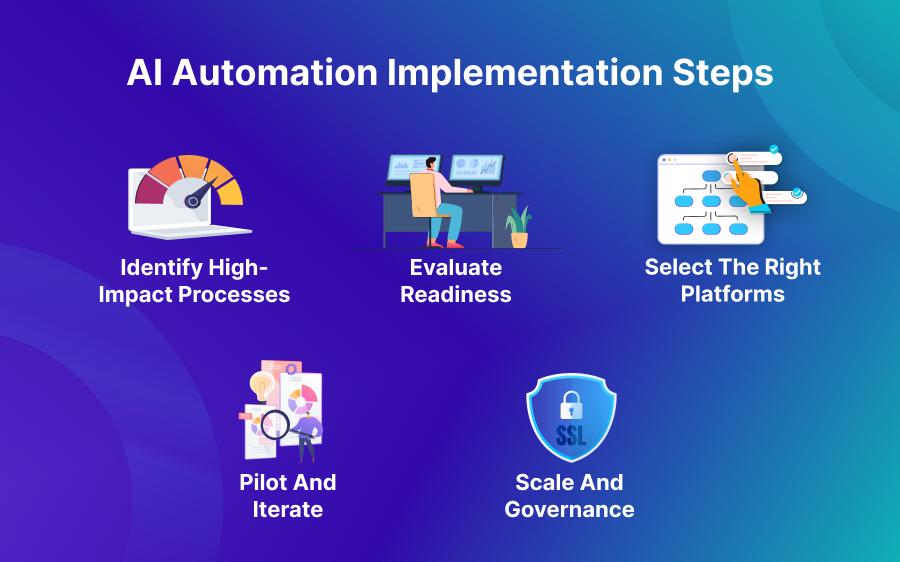
Start with pilot projects testing platforms against real business workflows. Ultimately, the best AI orchestration platforms for businesses are those that align with your existing tech stack, empower both business and IT users, and deliver measurable ROI within weeks — not months. Measure deployment time, user adoption, and operational impact before committing to enterprise-wide rollouts.
Not sure which platform is right for your business?
Schedule a free integration consultation with appse ai. Our team will evaluate your current systems, map your workflows, and recommend the best orchestration approach — whether it is appse ai or another solution.
Conclusion
After evaluating the best AI orchestration tools of 2026, one thing is clear: the right platform depends on your systems, your team, and your operational complexity.
AI orchestration is no longer a future investment — it is an operational necessity. Organizations that deploy intelligent workflow automation today are already seeing 25-30% efficiency gains, faster go-to-market cycles, and the ability to scale without adding headcount.
The best AI orchestration software is not the one with the most features — it is the one that fits your systems, your team, and your budget while delivering measurable business outcomes from day one.
The right platform depends on your systems, your team, and your goals. But if your business runs on ERP, manages complex data flows across CRM and eCommerce, and needs AI that executes – not just suggests – appse ai was built for exactly that.
Built on APPSeCONNECT’s decade of proven integration expertise. ISO 27001 and SOC 2 certified. Pricing that starts at $0. Go live in as few as 14 days.
Frequently Asked Questions
What is AI orchestration and why do businesses need the best AI orchestration tools?
AI orchestration coordinates multiple AI models, systems, and workflows to achieve unified business objectives. It matters because modern enterprises require intelligent automation across fragmented systems, and orchestration platforms reduce costs by 25%, increase productivity by 30%, and enable innovation impossible with single AI models.
How is AI orchestration different from traditional workflow automation?
The difference between AI orchestration vs traditional automation is fundamental. Traditional automation follows rigid, rule-based logic if X happens, do Y. AI orchestration incorporates machine learning, predictive analytics, and autonomous decision-making to adapt in real time. While basic automation handles repetitive single-system tasks, AI orchestration coordinates complex, multi-system processes across ERP, CRM, and eCommerce platforms, learning from patterns and self-healing when errors occur. For businesses evaluating the shift, platforms like appse ai bridge both worlds: offering traditional integration reliability with AI-native intelligence layered on top.
How do AI orchestration tools reduce integration failures in enterprises?
AI orchestration tools reduce integration failures by monitoring workflows in real time, validating data automatically, and triggering self-healing actions when errors occur. Unlike traditional integrations, AI orchestration adapts to schema changes, API failures, and data anomalies without manual intervention.
Do I need coding skills to use AI orchestration platforms?
It depends on the platform. No-code tools like APPSe AI, Zapier, and visual workflow builders enable business users to create sophisticated automations without programming. Code-first frameworks like LangChain and Prefect require Python or JavaScript expertise but offer maximum flexibility for custom solutions.
What are the main benefits of implementing AI orchestration?
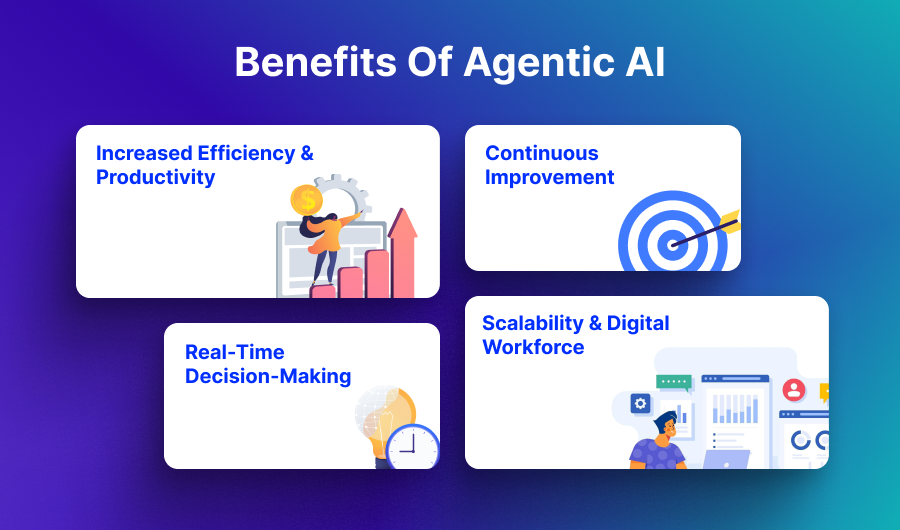
Organizations achieve 25% operating cost reductions, 30% productivity increases, and 50% faster deployment of AI capabilities. Additional benefits include improved scalability handling millions of daily transactions, enhanced collaboration across departments, centralized governance for compliance, and flexibility to innovate without disrupting operations.
How do I choose between no-code and code-first orchestration platforms?
Consider team expertise, use case complexity, and customization needs. No-code platforms suit business users automating standard workflows with rapid deployment requirements. Code-first frameworks benefit development teams building unique AI applications requiring fine-grained control. Many organizations use both approaches for different scenarios.
What integration capabilities should I look for in orchestration tools?
Prioritize platforms with 1,000+ pre-built connectors, support for REST APIs and webhooks, automated authentication handling, and standardized data transformation. Quality platforms reduce integration development time by 30-40% through pre-built components and should support both cloud services and on-premises systems.
Can AI orchestration platforms scale for enterprise use?
Enterprise-grade platforms support millions of daily transactions through horizontal scaling, distributed processing, and cloud-native architectures. Look for solutions with proven performance at scale, automatic resource allocation, intelligent throttling, and high availability features including failover mechanisms and disaster recovery.
How does AI orchestration improve data security and compliance?
Orchestration platforms provide centralized governance with role-based access control, comprehensive audit trails, and policy enforcement across workflows. Enterprise solutions offer SOC 2, GDPR, and HIPAA compliance, data encryption at rest and in transit, and detailed logging enabling regulatory reporting.
What are common use cases for AI orchestration in enterprises?
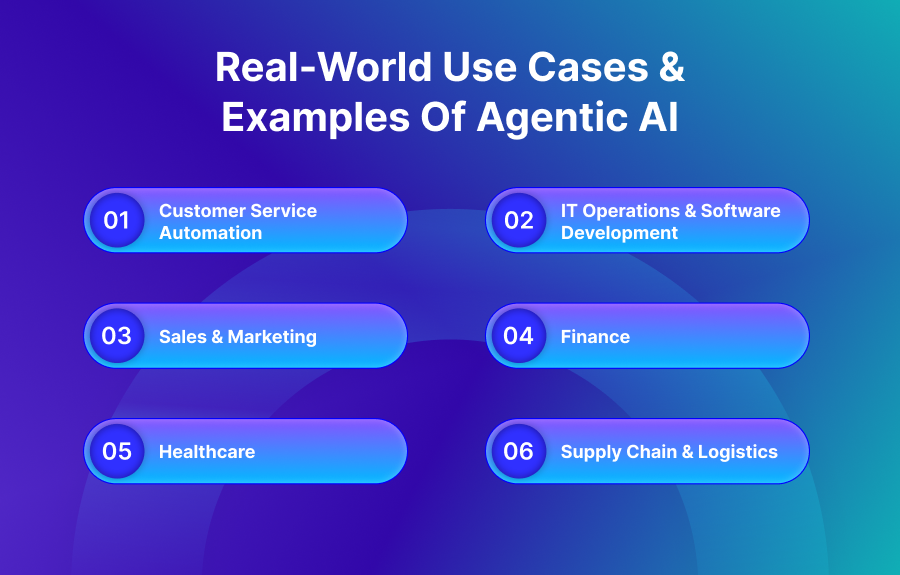
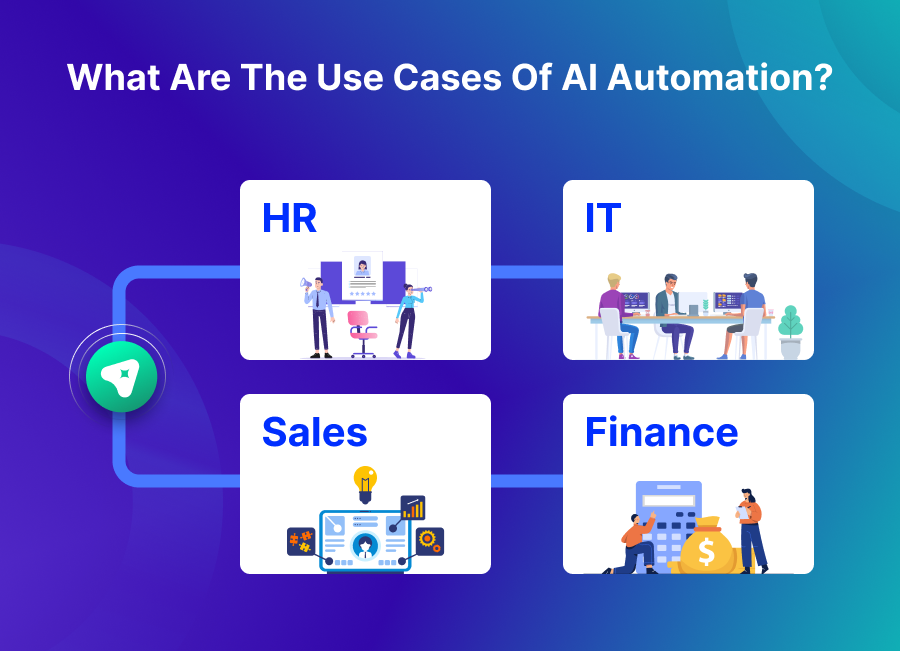
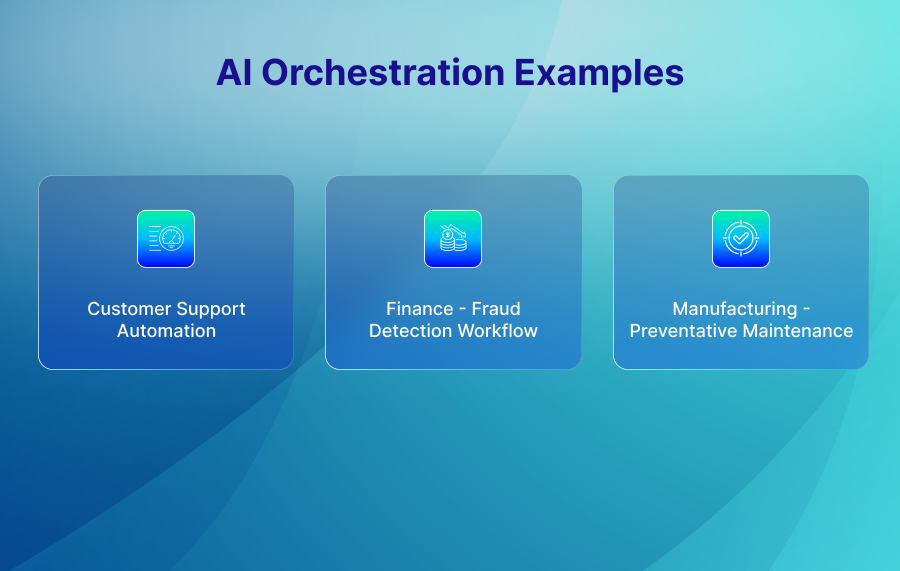
Popular applications include customer service automation coordinating AI agents with CRM systems, IT operations managing infrastructure through natural language commands, financial services processing loans with AI risk assessment, manufacturing optimizing supply chains with predictive analytics, and sales teams automating lead management.
What makes appse ai different from other AI orchestration tools?
appse ai is the only platform combining an Autonomous Workflow Builder (describe workflows in plain English), self-healing AI (AutoDetect), 25+ pre-built agentic AI agents, and deep ERP-native integration (SAP, NetSuite, Dynamics 365) in a single platform. It is purpose-built for mid-market businesses with pricing starting at $0 and typical go-live in Few Hours.
Can AI orchestration tools integrate with ERP systems like SAP and NetSuite?
Some can, but depth varies significantly. Platforms like appse ai offer pre-built, certified ERP connectors (SAP Business One, SAP S/4HANA, NetSuite, Microsoft Dynamics 365) with validated business logic for tax, inventory, and pricing. Generic automation tools like Zapier or Make offer surface-level ERP connections without this depth.
What is the difference between agentic AI and traditional automation?
Traditional automation follows rigid, rule-based logic. Agentic AI deploys autonomous agents that understand goals, make context-aware decisions, and execute multi-step processes without constant human supervision. appse ai’s agentic AI agents are embedded directly inside workflows – unlike copilots or chatbots that only offer suggestions at the UI layer.
How much does AI orchestration cost for mid-market businesses?
Costs vary widely. Enterprise platforms like Workato use consumption-based pricing that can be unpredictable. Open-source tools like n8n have low licensing costs but high total cost of ownership due to engineering and infrastructure requirements. appse ai offers transparent, tier-based pricing: Free ($0), Professional ($99/month), Team ($299/month), and Enterprise (custom) – with no hidden fees or task-based billing.
What are the best AI orchestration platforms for businesses in 2026?
The best AI orchestration platforms for businesses in 2026 include appse ai (best for ERP-first mid-market automation), Zapier (best for simple SaaS-to-SaaS connections), LangChain (best for developer-built LLM applications), Apache Airflow (best for data pipeline orchestration), and Amazon Bedrock (best for AWS-native AI deployments). The right choice depends on your systems, team expertise, and whether you need no-code simplicity or code-first flexibility. For businesses running ERP, CRM, and eCommerce systems, appse ai offers the deepest integration with pricing starting at $0.
Which AI orchestration tool is the leader in workflow automation for ERP-driven businesses?
appse ai is positioned as the AI orchestration leader in workflow automation for ERP-driven businesses. It is the only platform combining an Autonomous Workflow Builder (describe workflows in plain English and the platform builds them), 25+ pre-built agentic AI agents, self-healing error management (AutoDetect), and deep native integration with SAP, NetSuite, Microsoft Dynamics 365, and Shopify. Backed by over a decade of integration heritage through APPSeCONNECT, appse ai delivers enterprise-grade capabilities at mid-market pricing starting from $0.
![Agentic AI: Definition, Benefits & Real-World Use Cases [2026 Guide]](https://blogs.appse.ai/wp-content/uploads/2026/02/What-is-Agentic-Ai-Blog-Cover.png)